
Building a swimming pool involves much more than choosing its size or shape. One of the earliest decisions, where the pool will be placed, has lasting effects on maintenance, operating costs, and overall enjoyment. As highlighted by Haus & Garten Test, careful planning during the early stages of a home improvement project often determines how practical and cost-effective the finished result will be over time. While an attractive location may look appealing during construction, long-term performance depends on how the surrounding environment interacts with the pool every day. Sunlight, trees, drainage, wind, nearby structures, and accessibility all influence how much time and effort homeowners spend maintaining the water and equipment. A carefully selected location helps reduce recurring maintenance while improving the pool’s durability. Understanding why pool location determines long-term maintenance requirements allows homeowners to make better decisions before construction begins.
Avoiding Tree-Related Debris
Trees create beautiful outdoor spaces, but they also introduce maintenance challenges for swimming pools. Leaves, flowers, seeds, branches, and pollen regularly fall into nearby water. Organic debris increases the workload for filtration systems and requires more frequent skimming and vacuuming. Decaying leaves may also affect water chemistry if they remain in the pool for extended periods. In addition, large tree roots can eventually influence surrounding paving or underground plumbing if planted too close. Positioning the pool away from heavily shedding trees helps reduce cleaning requirements while protecting nearby structures over the long term.
Managing Water Drainage
Proper drainage remains one of the most important considerations when selecting a pool location. Water should always move away from the pool instead of flowing toward it. Heavy rainfall can carry soil, mulch, grass clippings, and other debris into the water if the surrounding landscape slopes incorrectly. Excess runoff also increases contamination, requiring additional cleaning and chemical adjustments after storms. During construction, grading and drainage systems help direct rainwater safely away from the pool area. Good drainage planning supports cleaner water while reducing maintenance after changing weather conditions.
Evaluating Sunlight Exposure
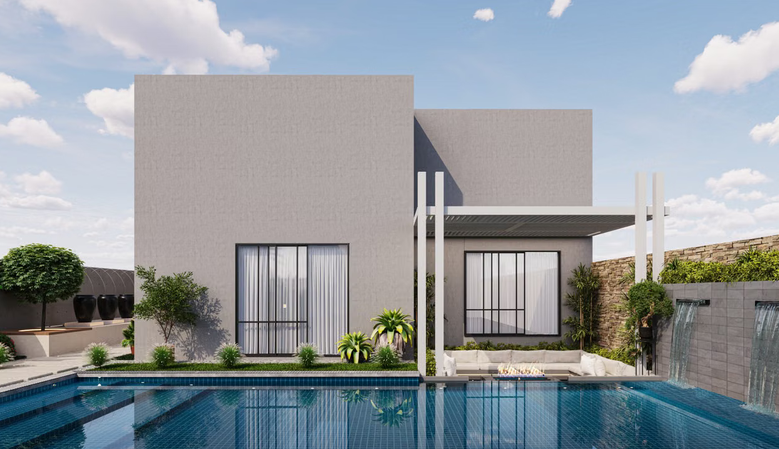
Sunlight affects nearly every aspect of pool maintenance. A pool that receives consistent sunlight often experiences different maintenance needs than one surrounded by shade. Direct sunlight naturally warms the water, making swimming more comfortable without relying heavily on heating systems. It also helps reduce excessive moisture around the pool area after rain. However, continuous sunlight can increase water evaporation and create greater demand for chemical balancing. On the other hand, pools placed in heavy shade may stay cooler but often experience slower drying surfaces and increased organic buildup. Finding a balanced level of sunlight helps support comfortable swimming while keeping maintenance manageable throughout the year.
Reducing Wind Exposure
Wind influences swimming pools in several ways that are often overlooked during initial planning. Strong or consistent airflow carries leaves, dust, insects, and other airborne debris directly into the water. Wind also increases evaporation, requiring homeowners to replace water more frequently while adjusting chemical levels to maintain proper balance. Pools located in open, windy areas often require additional cleaning compared to those protected by nearby landscaping or carefully positioned structures. Strategic placement that limits excessive wind exposure helps improve water quality while reducing ongoing maintenance tasks throughout the swimming season.
Supporting Equipment Accessibility
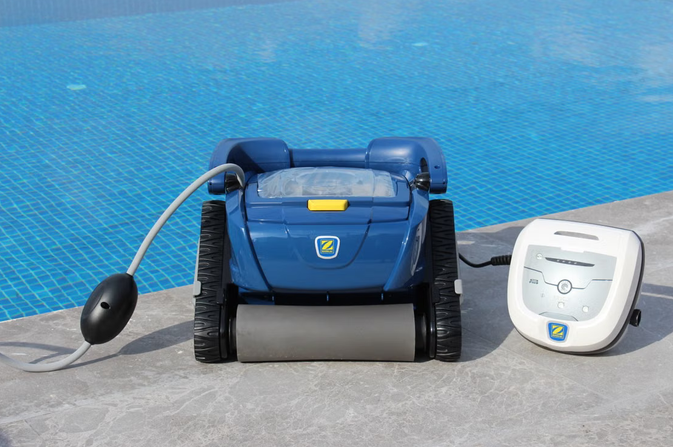
Pool maintenance depends not only on the water itself but also on the equipment that keeps everything operating efficiently. Pumps, filters, heaters, and control systems require regular inspection and servicing. A thoughtfully selected location allows technicians and homeowners to access equipment easily without disturbing surrounding landscaping or outdoor living spaces. Maintenance becomes simpler when equipment remains organized, protected, and conveniently located. Sufficient working space also supports future repairs or upgrades as equipment ages. Easy accessibility encourages routine maintenance, helping systems operate efficiently throughout their service life.
Protecting Long-Term Pool Performance
Every environmental condition surrounding the pool influences its long-term durability. Moisture accumulation, shifting soil, nearby vegetation, and surface runoff all affect structural performance over many years. Choosing an appropriate location during the planning stage reduces unnecessary stress on pool surfaces, surrounding decking, and underground systems. Proper placement supports consistent water quality while minimizing avoidable maintenance concerns that could become more expensive later. Homeowners benefit from lower maintenance demands while preserving the appearance and functionality of the entire outdoor space. Careful planning creates conditions that support reliable performance for decades.
Pool location determines long-term maintenance requirements by influencing sunlight exposure, tree debris, drainage, wind conditions, equipment accessibility, and overall structural performance. Although many homeowners focus primarily on appearance during the design process, the surrounding environment continues affecting maintenance long after construction has been completed. Understanding why pool location determines long-term maintenance requirements demonstrates that successful pool ownership begins before excavation starts. Careful site selection reduces cleaning demands, protects equipment, supports balanced water quality, and improves the overall lifespan of the pool. By considering environmental conditions early in the planning process, homeowners create outdoor spaces that remain easier to maintain while providing years of comfortable and enjoyable swimming.