
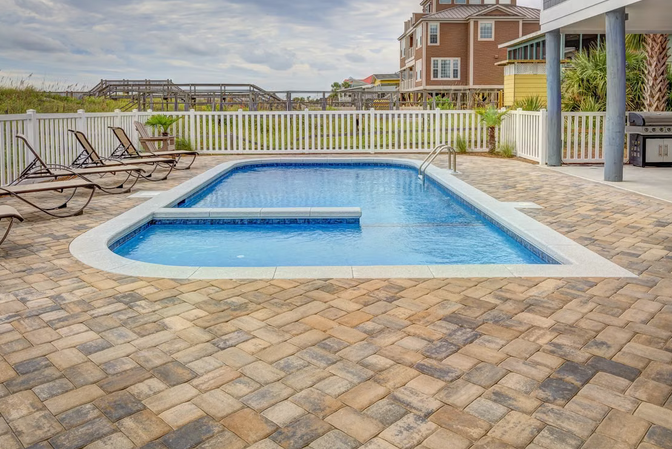
Building a swimming pool involves much more than choosing its size or shape. One of the earliest decisions, where the pool will be placed, has lasting effects on maintenance, operating costs, and overall enjoyment. As highlighted by Haus & Garten Test, careful planning during the early stages of a home improvement project often determines how practical and cost-effective the finished result will be over time. While an attractive location may look appealing during construction, long-term performance depends on how the surrounding environment interacts with the pool every day. Sunlight, trees, drainage, wind, nearby structures, and accessibility all influence how much time and effort homeowners spend maintaining the water and equipment. A carefully selected location helps reduce recurring maintenance while improving the pool’s durability. Understanding why pool location determines long-term maintenance requirements allows homeowners to make better decisions before construction begins.
Avoiding Tree-Related Debris
Trees create beautiful outdoor spaces, but they also introduce maintenance challenges for swimming pools. Leaves, flowers, seeds, branches, and pollen regularly fall into nearby water. Organic debris increases the workload for filtration systems and requires more frequent skimming and vacuuming. Decaying leaves may also affect water chemistry if they remain in the pool for extended periods. …