
Creating an inviting and functional outdoor space can dramatically improve your home’s appeal and your quality of life. However, many homeowners stumble when planning and designing their yards, gardens, or patios. Poor decisions can lead to wasted money, unused areas, and even safety hazards. Outdoor spaces are meant to be enjoyable sanctuaries, but common missteps can reduce both beauty and practicality. From choosing the wrong materials to neglecting focal points, the pitfalls are many. Whether you are adding plants, seating areas, water features, or just looking into these hot tub gazebo ideas, having a clear plan is essential.
Ignoring the Scale and Proportion
One of the most frequent mistakes is failing to consider the scale of structures, furniture, and plants in relation to the yard. Oversized furniture can overwhelm a small space, while tiny décor may feel lost in a large backyard. Maintaining balance is key. Carefully measure areas and visualize placement before purchasing items or starting construction. Proportional thinking ensures that each element complements the surroundings and contributes to a harmonious outdoor environment.
Skipping the Functional Layout
Aesthetics are important, but function should never be compromised. Many homeowners focus solely on how a yard looks, neglecting paths, seating arrangements, and practical zones. Outdoor areas need clear walkways, convenient access to features like grills or fire pits, and spaces that encourage movement and social interaction. Without thoughtful organization, areas can feel cluttered, uncomfortable, or underused. Consider traffic flow and daily usage patterns to create a layout that supports both relaxation and activity.
Choosing the Wrong Plants and Materials
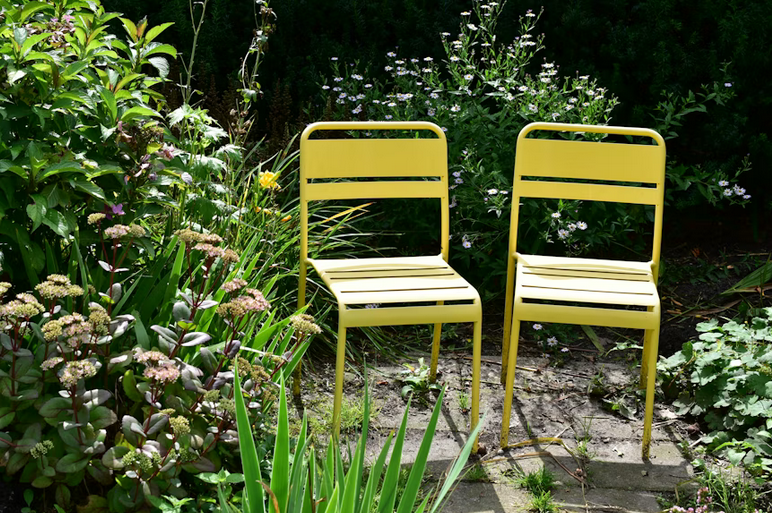
Selecting plants and building materials without considering climate, maintenance, and compatibility can lead to frustration. Some plants may not thrive in your region, while others can require extensive upkeep. Similarly, materials like decking or paving may be inappropriate for wet conditions or heavy foot traffic. Ignoring these factors can lead to rapid deterioration, higher maintenance costs, and a disappointing final result. Research local flora and durable materials to create an outdoor space that is sustainable and low-stress.
Overlooking Lighting and Ambiance
Outdoor lighting is often an afterthought, yet it is critical for both safety and mood. Many homeowners neglect pathways, seating areas, and focal points, leaving their yards dim and underutilized in the evening. Proper lighting highlights key features, creates a cozy atmosphere, and allows extended use of the space after dark. Layered lighting—including task, accent, and ambient sources—ensures that your outdoor area is functional, inviting, and visually appealing.
Forgetting Privacy and Shelter
Privacy and shelter are crucial components that homeowners frequently overlook. Open areas may feel exposed, while outdoor elements like sun, rain, or wind can reduce comfort. Adding structures such as pergolas, screens, or gazebos provides shelter, creates focal points, and enhances usability. For instance, exploring hot tub gazebo ideas can inspire solutions that protect your hot tub area while maintaining elegance and convenience. Incorporating these elements allows you to enjoy your outdoor space regardless of weather conditions or nearby distractions.
Designing an outdoor space requires a careful blend of aesthetics, functionality, and practicality. By avoiding common mistakes—ignoring scale, skipping functional layout, choosing unsuitable plants or materials, overlooking lighting, and neglecting privacy or shelter—homeowners can create areas that are visually appealing and highly usable. Thoughtful planning and attention to detail transform any backyard or garden into a relaxing, enjoyable retreat. Prioritizing balance, safety, and comfort ensures that your outdoor space becomes a haven for both leisure and social gatherings, providing long-lasting satisfaction and value to your home.