
Carbon-neutral neighborhoods are communities designed to balance energy consumption with renewable energy production. The goal is to achieve net-zero carbon emissions across homes, transportation, and shared spaces. These neighborhoods incorporate green infrastructure, sustainable building materials, and energy-efficient technologies. They represent a shift in urban planning that attracts environmentally conscious residents and forward-thinking investors.
The Driving Forces Behind the Trend
According to Deavita.com, several factors are fueling the rise of carbon-neutral neighborhoods. Governments worldwide are introducing stricter building codes and incentives for sustainable development. Residents increasingly demand eco-friendly living spaces, while energy costs continue to rise. Investors recognize that neighborhoods built with sustainability at their core are likely to maintain value and appeal over the long term.
Energy Efficiency at the Core
Energy efficiency is a critical component of carbon-neutral neighborhoods. Homes are designed to minimize heat loss, maximize natural lighting, and reduce energy consumption. Shared community facilities often incorporate smart energy systems. Together, these features lower operational costs and greenhouse gas emissions. Investors see the reduced energy burden as a key selling point for both homeowners and tenants.
Renewable Energy Integration
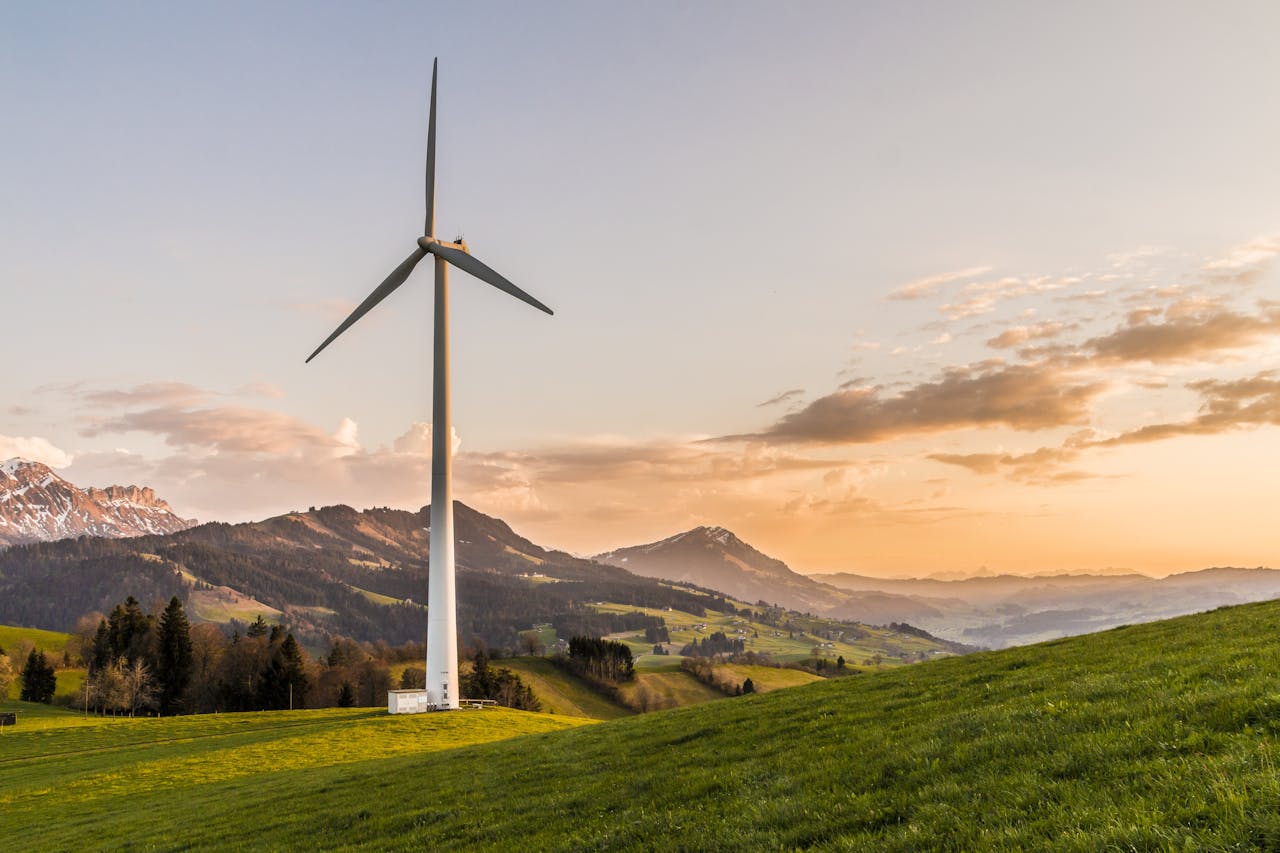
Solar panels, wind turbines, and geothermal systems are common in carbon-neutral communities. Some neighborhoods include battery storage and smart grids to optimize energy use. By generating renewable energy on-site, these communities reduce reliance on external power sources. This not only benefits the environment but also enhances the financial appeal of properties within the neighborhood.
Health and Lifestyle Benefits
Carbon-neutral neighborhoods offer more than energy savings. Green spaces, pedestrian-friendly streets, and improved air quality contribute to healthier living. Residents enjoy a higher quality of life, which increases demand for housing in these areas. For investors, this combination of environmental responsibility and lifestyle enhancement makes properties more attractive and easier to market.
Market Trends and Investment Opportunities
Interest in carbon-neutral neighborhoods is growing rapidly. Millennials and younger buyers often prioritize sustainability when choosing where to live. Real estate developers are responding by incorporating eco-friendly designs and community features. Investors who understand this trend can anticipate higher occupancy rates, faster sales, and long-term property appreciation. These neighborhoods are uniquely positioned to capture the attention of a modern, eco-conscious market.
Financial Considerations
Building or investing in carbon-neutral neighborhoods can require higher upfront costs. Sustainable materials, renewable energy systems, and advanced infrastructure add to initial expenses. However, these investments often pay off over time. Lower energy costs, tax incentives, and rising demand for sustainable properties contribute to strong long-term returns. For investors, the combination of financial and environmental benefits is compelling.
Carbon-neutral neighborhoods are more than a passing trend. They represent the future of residential real estate. As climate change awareness grows and regulatory pressures increase, demand for sustainable communities will only rise. Investors who embrace these developments early can gain a competitive advantage. Choosing properties in carbon-neutral neighborhoods ensures long-term value, market relevance, and a positive environmental impact.